
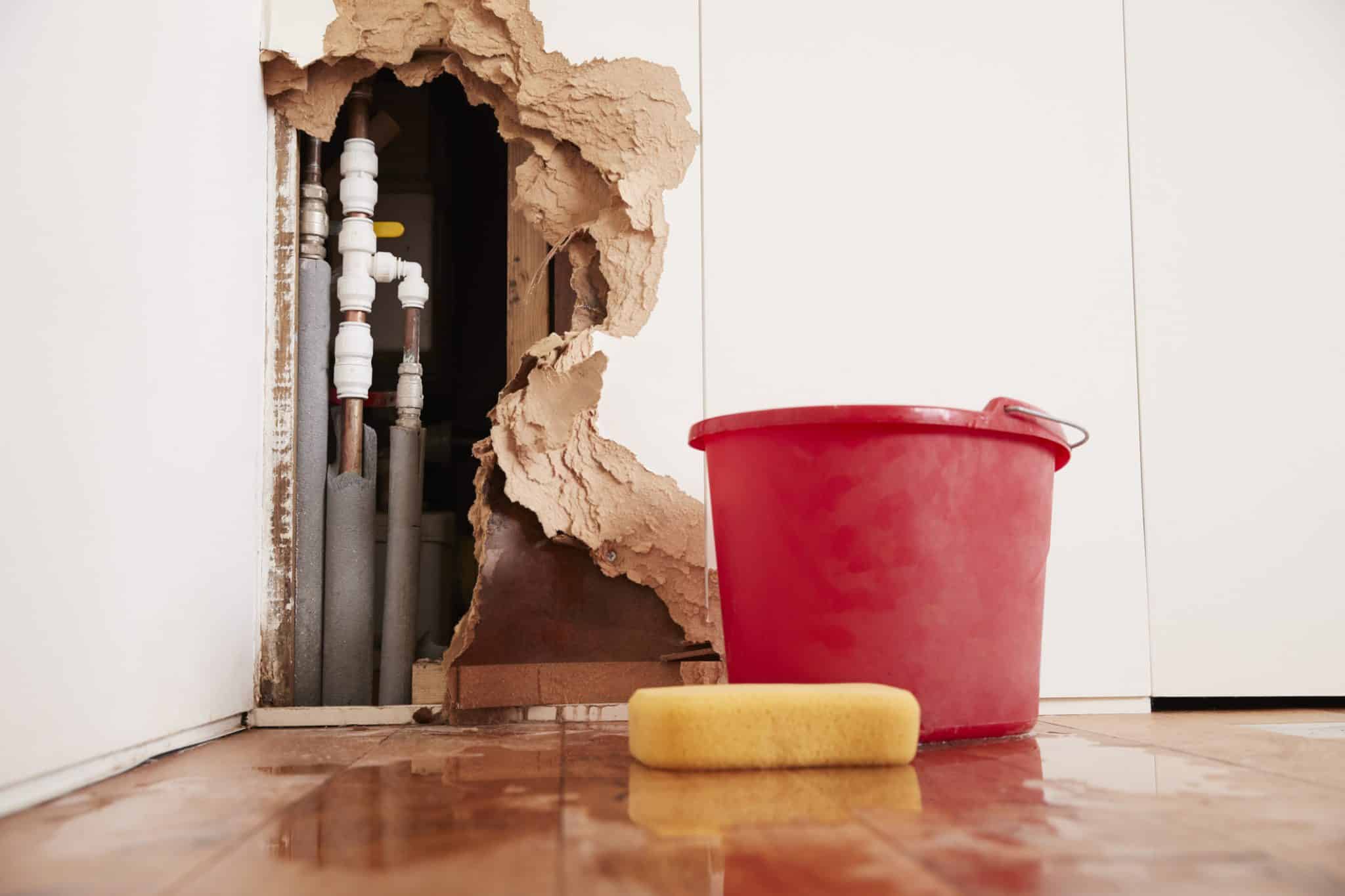
A burst pipe is one of those emergencies that goes from bad to catastrophic in minutes. The moment water starts pouring from a broken pipe in your house, every second counts. The right moves made quickly can mean the difference between a repair bill and a full-scale water damage restoration project.
San Francisco and Peninsula homes face burst pipe risks year-round, from aging galvanized pipes in older Victorian-era buildings to pressure spikes that stress even newer plumbing. Here’s exactly what to do, in order, when a pipe bursts in your home.
Flood Notes: The Fast Version
- Shut off the main water supply immediately, before anything else.
- Turn off your electricity if water is near outlets, panels, or appliances.
- A burst pipe can dump hundreds of gallons into your home in under an hour.
- Not every burst pipe is obvious; some hide inside walls or ceilings for days.
- Call a licensed emergency plumber the moment you’ve stopped the flow.
Burst Pipe vs. Leaking Pipe: Know the Difference
Not every plumbing failure is a burst-pipe emergency, but knowing the difference matters for how quickly you need to act.
A burst pipe involves a sudden, large-volume release of water, often from a crack, split, or complete break in the pipe. A leaking pipe drips or seeps slowly, usually from a joint, fitting, or pinhole corrosion.
Both need professional attention, but a burst pipe demands same-day emergency service. A slow leak can typically be scheduled within a day or two before serious damage sets in.
What Causes Pipes to Burst?
Understanding the cause helps prevent the next one. The most common culprits in San Francisco and Peninsula homes include:
- Aging galvanized or cast iron pipes that have corroded from the inside out over decades
- High water pressure exceeding 80 PSI, which stresses pipe walls and joints continuously
- Sudden pressure surges from water hammer, a banging shock wave that travels through the line when water is shut off abruptly
- Physical damage from construction, shifting foundations, or tree root intrusion into sewer and water lines
- Pre-existing leaks ignored too long, where small corrosion points eventually give way entirely
Many of the older homes throughout San Francisco, Daly City, Burlingame, and South San Francisco still have original plumbing that is well past its expected lifespan. A plumbing inspection can identify vulnerable pipe sections before they become emergencies.
Steps to Take When You Suspect a Burst Pipe
A burst pipe moves fast, and so should you. The steps below won’t feel overwhelming in the moment if you’ve read them once before. Run through them in order, and you’ll limit the damage significantly.
Step 1: Shut Off the Water. Right Now.
This is the single most important thing you can do in a burst pipe emergency. Every second the water runs, the damage compounds.
Find your main water shut-off valve and turn it off completely. In most San Francisco homes, it’s located near the water meter, typically at the street-facing side of the house, in a utility closet, or in the basement. If you don’t know where yours is, find it today, before an emergency forces you to learn under pressure.
Pro Tip: Walk every adult in your household to the main shut-off right now and show them how it works. This one drill might just save you tens of thousands of dollars someday.
Step 2: Cut the Electricity to Affected Areas
Water and electricity are a lethal combination. If the burst pipe is near your electrical panel, outlets, or any appliances, shut off the circuit breakers to those areas immediately.
When in doubt, kill power to the whole floor or the entire home until a professional clears it. According to the U.S. Consumer Product Safety Commission, water-related electrical hazards are among the leading causes of home electrocution. This step is not optional.
Step 3: Drain the Remaining Water from Your Pipes
Once the main is off, open all the cold water faucets in your home to drain whatever is left in the lines. Flush toilets once or twice to clear the system faster.
This reduces pressure on the damaged section and limits the amount of water that continues to leak from the break point. It also helps you identify exactly where the burst is located once the flow slows down.
Step 4: Locate the Burst Pipe
Sometimes the location of the leak is obvious. A pipe burst in the ceiling announces itself with a waterfall. Other times, the break is hidden inside a wall or under a floor, and the signs are subtle.
Signs of a Burst Pipe in Walls or Ceilings
- Bubbling, warping, or staining on drywall or ceilings
- Soft spots or buckling in the flooring
- A sudden and dramatic drop in water pressure before the main was shut off
- The sound of rushing water behind walls with no visible source
- A musty smell is developing quickly in one area of the home
If you can hear water but can’t find it, don’t start tearing into walls yourself. A licensed plumber uses leak detection equipment to locate the break without unnecessary demolition.
Step 5: Document Everything for Your Insurance Claim
Before you start mopping up, grab your phone and document the damage thoroughly. Photos and videos of the burst pipe, standing water, damaged walls, flooring, and belongings are essential for a homeowner’s insurance claim.
According to the Insurance Information Institute, water damage and freezing claims are among the most common and costly homeowners’ insurance claims nationwide. Most standard California homeowners’ policies cover sudden and accidental burst pipe damage, though gradual leaks often are not covered. Call your insurance company as soon as you’ve documented the scene.
What NOT to Do During a Burst Pipe Emergency
Just as important as the right moves are the wrong ones:
- Do not use any electrical switches or appliances in water-affected areas
- Do not attempt to patch or clamp the pipe yourself as a permanent fix; temporary patches can fail and mask a larger problem
- Do not run your dishwasher or washing machine until the system has been professionally inspected and cleared
- Do not ignore ceiling bulges filled with water; they can collapse without warning, and the volume of water behind them is significant
When the Water Stops, the Work Begins
Stopping the flood is step one. Getting the repair done correctly and ensuring the underlying cause is addressed are what actually protect your home long-term. A burst pipe that gets patched without diagnosing why it failed is a burst pipe waiting to happen again.
Document the damage, call your insurance company, and get a licensed plumber on-site as fast as possible. The George Salet Plumbing blog offers additional resources for maintaining your home’s plumbing and preventing failures that lead to emergencies like this one.
Burst Pipe in San Francisco? Call George Salet Plumbing Now
Every minute counts when a pipe bursts. George Salet Plumbing has been responding to plumbing emergencies across San Francisco and the Peninsula since 1979, with the local knowledge and licensed expertise to get your home back to normal fast.
Give us a call at San Francisco: (415) 234-0733 or Peninsula: (650) 557-3883, or contact us online and we’ll take it from there.