How to Spot Hard Water Damage Before It Ruins Your Plumbing
Hard water plumbing damage is one of those problems that sneaks up on homeowners quietly… then loudly… then expensively. If you’ve ever wondered, “How do I know if I have hard water?” the truth is simple: the signs are already in your house. From cloudy dishes to cranky appliances, hard water effects on plumbing show up long before you notice a bigger issue.
This is especially important in San Francisco, where many homes are older and more vulnerable to buildup inside aging pipes. Hard water problems in a house do not go away on their own; they grow until they affect everything from water pressure to how often your water heater needs repairs. We’ll be sharing how to spot hard water damage early, what hard water does to pipes, and how to stay ahead of expensive repairs.
Mineral Madness: The Hard Water Quick Guide
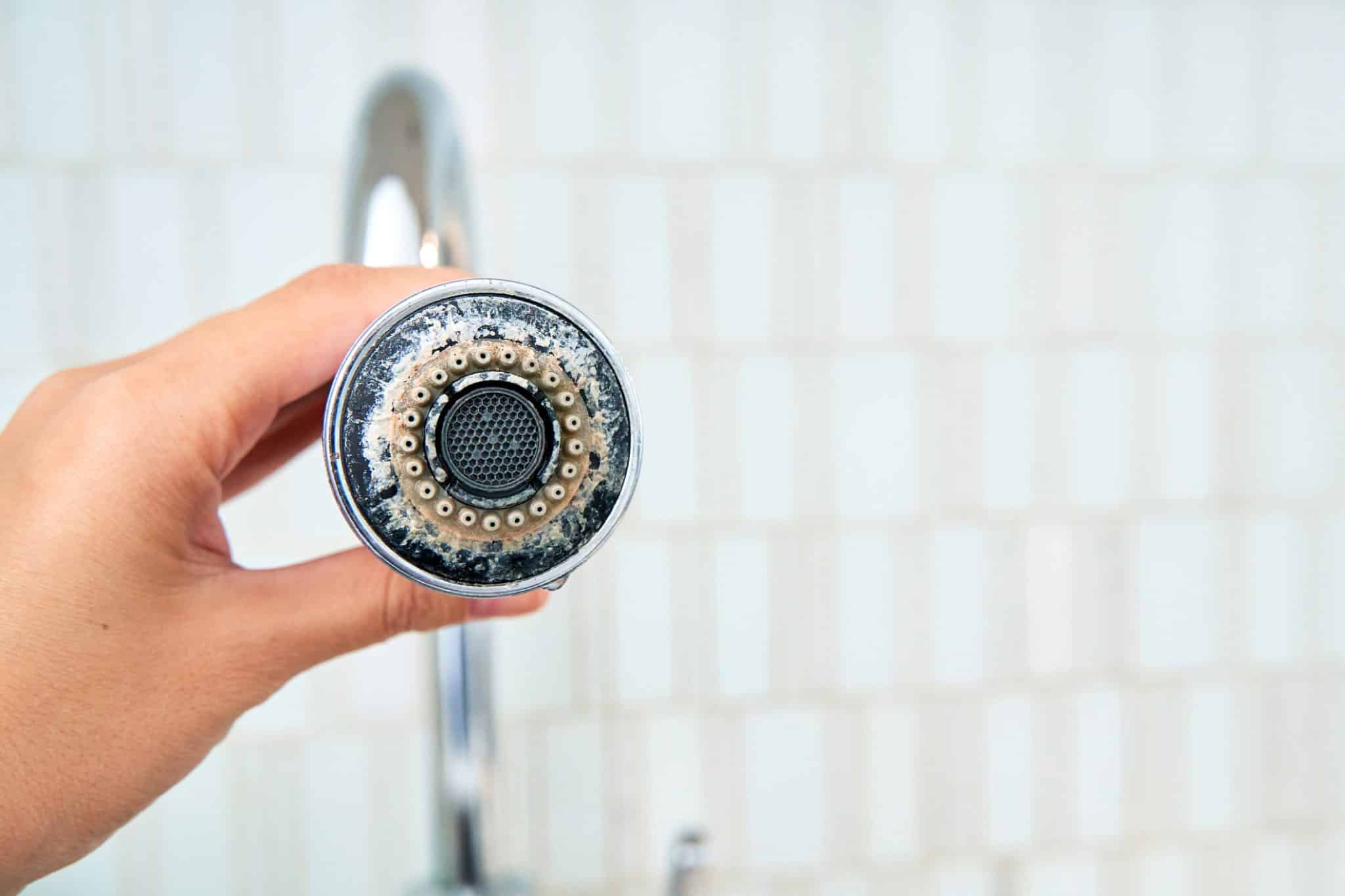
- If your faucets have a bunch of crust, not cleanliness, that’s buildup.
- Low pressure is often a hint, not a coincidence.
- Your water heater is working way harder than you think.
- Early detection means cheap solutions. Late detection means “Oh no.”
What Hard Water Actually Is (And Why Your Plumbing Hates It)
Hard water, at the most basic level, is really just water with too many minerals; typically calcium and magnesium. These minerals cling to everything they touch. In your home, that usually means pipes, fixtures, and appliances.
How Hard Water Affects Plumbing Over Time
When hot water travels through your plumbing, those minerals separate out and latch onto surfaces. Think of it like a slow-growing rock inside your pipes. Over time, this buildup, called limescale, narrows openings, restricts flow, and forces appliances like water heaters to burn extra energy to do basic tasks.
The result? Higher bills, sluggish water pressure, and equipment that wears out far too early.
Why This Matters in San Francisco
San Francisco water varies by neighborhood. Some areas have moderate mineral content, others are borderline hard. Combine that with older plumbing materials, such as galvanized steel, aged copper, and narrow lines, and you get a perfect recipe for mineral buildup. Homes built before the 1980s are particularly vulnerable.
Signs of Hard Water in Your Home (Trust Us—They’re Everywhere)
If you’re wondering how to spot hard water damage, your home is already giving you clues. Sometimes they’re obvious. Sometimes they’re subtle. But they all point to the same culprit: mineral overload.
Clue #1: Your Fixtures Look Dusty… Even When They’re Not
That white, chalky crust building up around faucets and showerheads? Classic limescale. It loves to gather on:
- Faucet bases
- Shower nozzles
- Tub hardware
- Sink edges
Wipe it off today, and it returns tomorrow like it never left.
Clue #2: Your Water Pressure Feels Super Slow
Hard water buildup narrows pipes. Narrow pipes deliver weaker flow. If your once-strong shower now feels more like a mist, it’s likely mineral buildup choking things out behind the walls.
Clue #3: Your Dishes Always Look… Foggy
Cloudy glasses, filmy plates, spots that never wash away: these are textbook signs of hard water. This isn’t just cosmetic. It’s a sign your dishwasher is battling limescale inside the machine, too.
Clue #4: Your Water Heater Sounds Like a Popcorn Machine
Hard water settles at the bottom of the heater tank and forms thick layers of sediment. This makes the burner work harder and noisier than it should.
Common symptoms include:
- Rumbling or popping sounds
- Shorter hot water cycles
- Higher energy bills
Clue #5: Soap and Shampoo Just Don’t Want to Lather
Hard water makes cleaning harder. Soap reacts with minerals instead of lathering, so everything, like your laundry, dishes, or showers, takes longer and feels less effective.
What Does Hard Water Do to Pipes?
Hard water plumbing damage doesn’t happen overnight. It builds little by little until suddenly you’re facing major repairs.
Buildup That Narrows Pipes
As minerals harden inside your plumbing, they shrink the internal diameter. This makes water travel more slowly and puts extra strain on your entire system.
Early Corrosion Risks, Especially in Older Homes
Mineral buildup accelerates corrosion in metal pipes. This is especially true for:
- Galvanized plumbing
- Aging copper systems
- Homes built before modern plumbing codes
Corrosion leads to leaks. Leaks lead to water damage. And water damage leads to a very unhappy homeowner.
Appliances Wear Out Faster
Water heaters, dishwashers, washing machines, anything that heats or circulates water, get hit hardest. Hard water forces them to work double-time, shortening their lifespan.
How to Spot Hard Water Damage Before It Becomes a Disaster
Early detection is everything. Hard water isn’t a crisis when caught early, just an inconvenience. But when ignored? It becomes a budget-blowing event.
Start by Inspecting Your Fixtures
If you see buildup externally, assume it exists internally too. Fixtures act as early warning signs long before pipes start showing symptoms.
Pay Attention to Water Flow Changes
Sudden slowdowns or inconsistent pressure are major red flags. This means the buildup has reached a level that is affecting function, not just appearance.
Watch Your Water Heater’s Behavior
Longer heating times. Rumbling noises. Less hot water. These are not “normal aging.” They are hard water’s footprint.
Look for Subtle Clues in Daily Tasks
Does laundry feel stiff? Does soap take forever to wash out of your hair? Does your showerhead clog regularly? These “soft signs” often appear before major plumbing issues.
Pro Tip: If more than two of these signs apply to your home, you likely have moderate to severe hard water buildup.
Keeping Your Plumbing Safe From Hard Water Damage
Hard water is not necessarily harmful to your health, but it can absolutely wreak havoc on your plumbing system. Protecting your home starts with understanding the signs and tackling them early.
Regular maintenance, inspections, and water filter systems can dramatically slow mineral buildup and keep your pipes, fixtures, and appliances running efficiently. When caught early, hard water issues are easy to manage. When caught late, they become expensive and fast.
Schedule Expert Plumbing Help in San Francisco
Hard water loves to hint at trouble, and if your home is showing the signs, it is the perfect moment to call in an expert. George Salet Plumbing provides thorough inspections, smart hard water solutions, and lasting protection for plumbing throughout the Bay Area.
If your fixtures crust over, your pressure dips, or your appliances struggle to keep up, our specialists can step in before the damage spreads. Call (415) 234-0733 or contact our expert team online to schedule your inspection today.