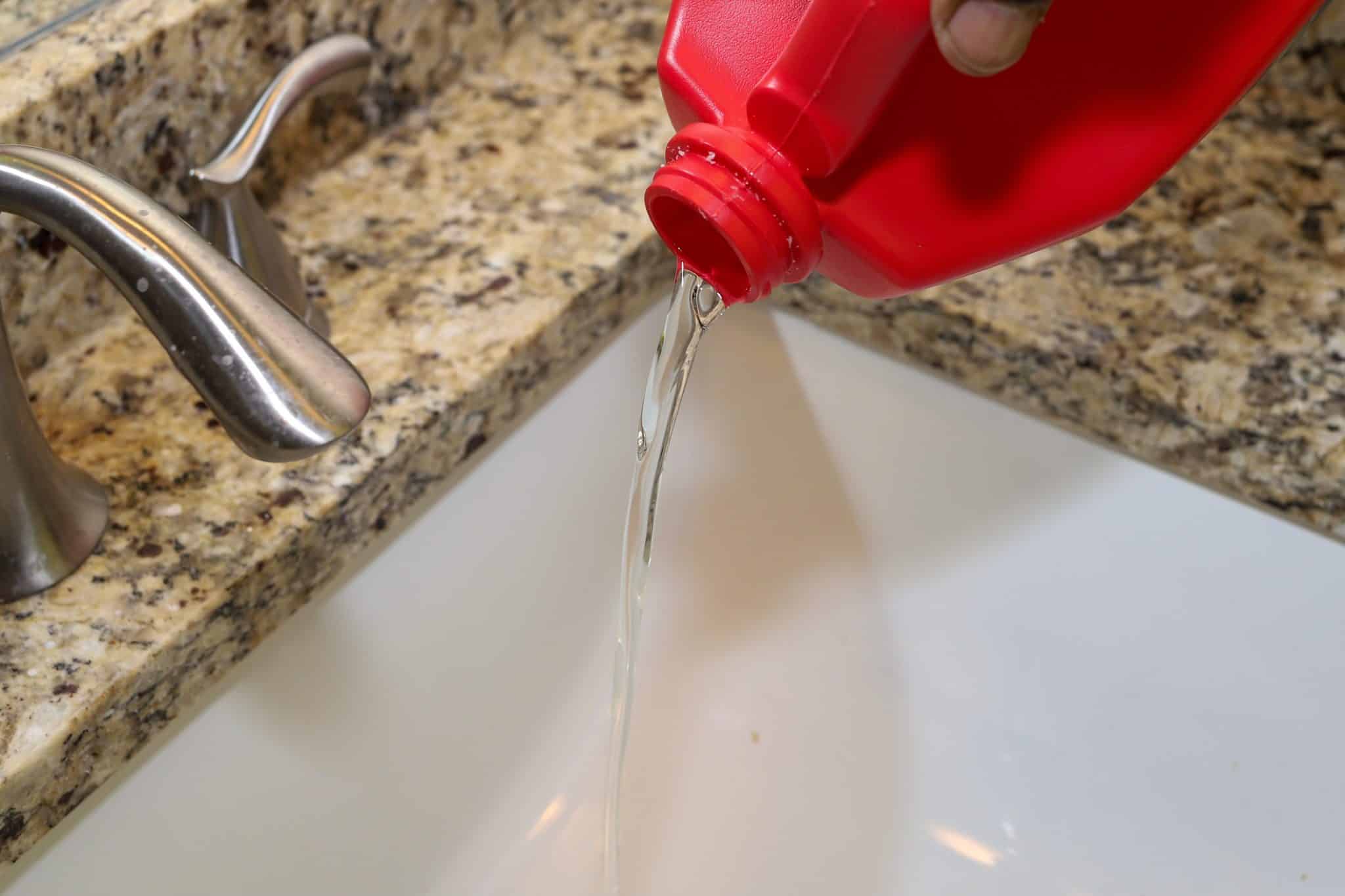
If you’ve ever poured a chemical drain cleaner down a slow drain and crossed your fingers, you’re not alone. Those bottles promise fast results, minimal effort, and a satisfying glug-glug fix. What they don’t advertise is the damage they can leave behind.
Chemical drain cleaners are a tempting shortcut, especially when a clog shows up at the worst possible time. But what happens when you use drain cleaner too often isn’t always visible right away. Over time, those harsh chemicals can quietly weaken your plumbing, turning a minor clog into a much bigger problem, one that’s harder and more expensive to fix.
At a Glance: The Short Version for Busy Humans
- DIY drain cleaners don’t always remove clogs; instead, they often just burn through part of them.
- Chemical drain cleaners can cause long-term damage to pipes, especially in older plumbing.
- Repeated use increases corrosion, leaks, and the risk of full pipe failure.
- Professional drain cleaning solves the problem without wrecking your system.
What’s Really Inside Chemical Drain Cleaners?
Chemical drain cleaners rely on heat and corrosion to break through clogs. Many contain ingredients like lye or sulfuric acid, which react aggressively with whatever they touch, including your pipes.
These products are designed to dissolve organic material, not to gently clean plumbing systems. That reaction creates heat, and while it may chew through hair or grease, it can also soften, warp, or crack pipes in the process. This is especially risky in older homes throughout the San Francisco Bay Area.
Want to try and find safer alternatives? Look for the Safer Choice label, which the EPA uses to highlight products that aren’t as harmful to you, your family, and the environment.
Are Drain Cleaners Bad for Pipes? Let’s Be Clear
Drain cleaner damage doesn’t usually happen all at once. Instead, it builds slowly. Each use weakens pipe walls just a little more, especially in metal or aging plumbing systems.
PVC pipes aren’t immune either. Repeated exposure to extreme heat from chemical reactions can cause joints to loosen or pipes to deform. The drain may clear today, but the pipe may fail tomorrow.
Why Drain Cleaner Doesn’t Work the Way You Think
Most clogs aren’t sitting neatly at the top of the drain. They’re deeper in the line, layered with grease, soap residue, or mineral buildup. Chemical drain cleaners often burn a small hole through the clog instead of removing it completely.
That partial opening gives the illusion of success. Water drains again, but debris remains. The clog rebuilds quickly, and the next bottle gets poured in, starting the cycle all over again.
What Happens If You Use Drain Cleaner Too Often?
Using chemical drain cleaners once might seem harmless. Using them again and again is where trouble starts. Each pour adds more heat, more corrosion, and more stress to your pipes, often without obvious warning signs until damage is already underway.
Frequent use of chemical drain cleaners increases the risk of:
- Pipe corrosion and thinning
- Hidden leaks behind walls or under floors
- Damaged seals and joints
- Premature pipe replacement
Pro Tip: If you’ve used drain cleaner more than once on the same drain, the issue is no longer a “simple clog.” It’s time for a different solution.
Is DIY Drain Cleaning Safe at All?
Not all DIY drain cleaning is risky. Mechanical solutions like plungers or simple drain snakes can safely remove minor clogs near the surface. Hot water and enzyme-based cleaners can also help maintain drains without damaging pipes.
The danger comes from relying on harsh chemicals as a go-to fix. When DIY drain cleaning crosses into chemical territory, safety and pipe longevity take a hit. That’s why professional drain cleaning is often the superior choice.
Older Pipes Are Especially Vulnerable
Many homes in San Francisco and the Peninsula still rely on older plumbing materials. Cast iron, galvanized steel, and aging copper pipes don’t respond well to chemical exposure.
Outdated plumbing is already dealing with wear from decades of use. Adding corrosive drain cleaners accelerates that process. What could have been resolved with professional drain cleaning may turn into a pipe replacement project instead.
Why Professional Drain Cleaning Is Different
Professional drain cleaning removes blockages mechanically or with controlled methods designed for plumbing systems, not chemical shortcuts. Techniques like augering or hydro jetting clean the pipe walls instead of burning through them.
The result is a truly clear drain and a healthier plumbing system. No lingering residue. No hidden damage. Just water flowing the way it should.
When to Call a Plumber Instead of Reaching for Chemicals
If you notice any of the following, skip the bottle and call a pro:
- Recurring clogs in the same drain
- Multiple slow drains at once
- Gurgling sounds or unpleasant odors
- Water is backing up unexpectedly
These signs point to deeper plumbing issues that chemical drain cleaners simply can’t fix.
The Real Fix: Smarter Choices, Healthier Pipes
DIY drain cleaners feel convenient, but convenience comes at a cost. Drain cleaner damage is real, and it adds up over time. Choosing safer preventative habits and calling in professional help when needed keeps your plumbing working longer and saves money in the long run.
Ready for a Real Drain Solution?
If clogs keep coming back or you’re worried about what chemical drain cleaners may have done to your pipes, help is close by. George Salet Plumbing provides professional drain cleaning and plumbing services backed by decades of local experience.
Call today or contact us online to schedule service. We proudly serve the San Francisco Peninsula and the greater San Francisco Bay Area, offering dependable solutions that protect your pipes, not punish them.